
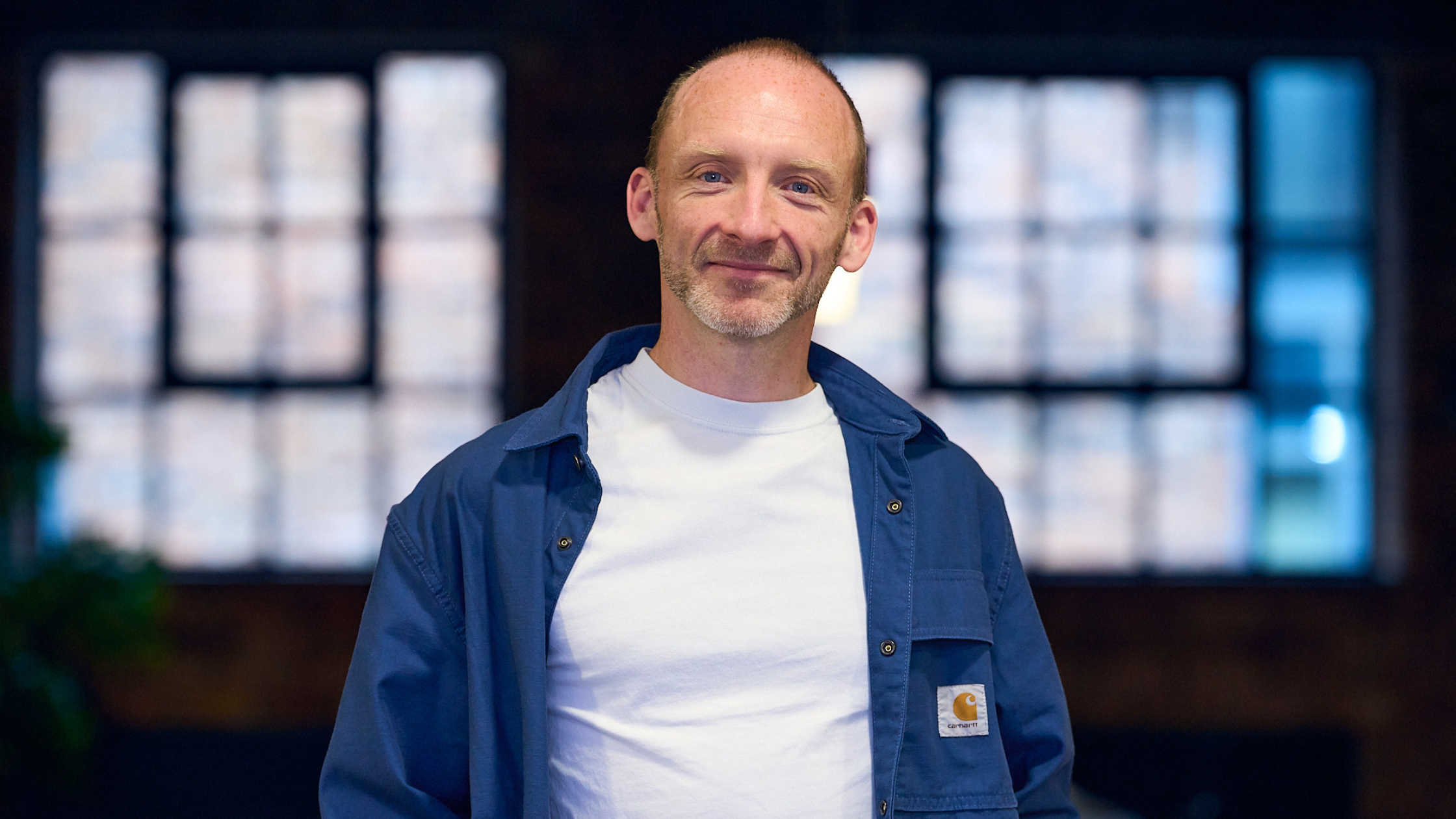
Fifteen years is a long time to be doing anything. Especially when you weren’t sure whether you’d stick that thing out to begin with.
When I ask Hangar Founder Ged MacDomhnaill how it feels to mark The Climbing Hangar’s fifteenth birthday, there’s a pause… and it’s not for effect. He’s giving it some thought.
“Honestly”, he says, “I’m still slightly surprised we made it this far”.
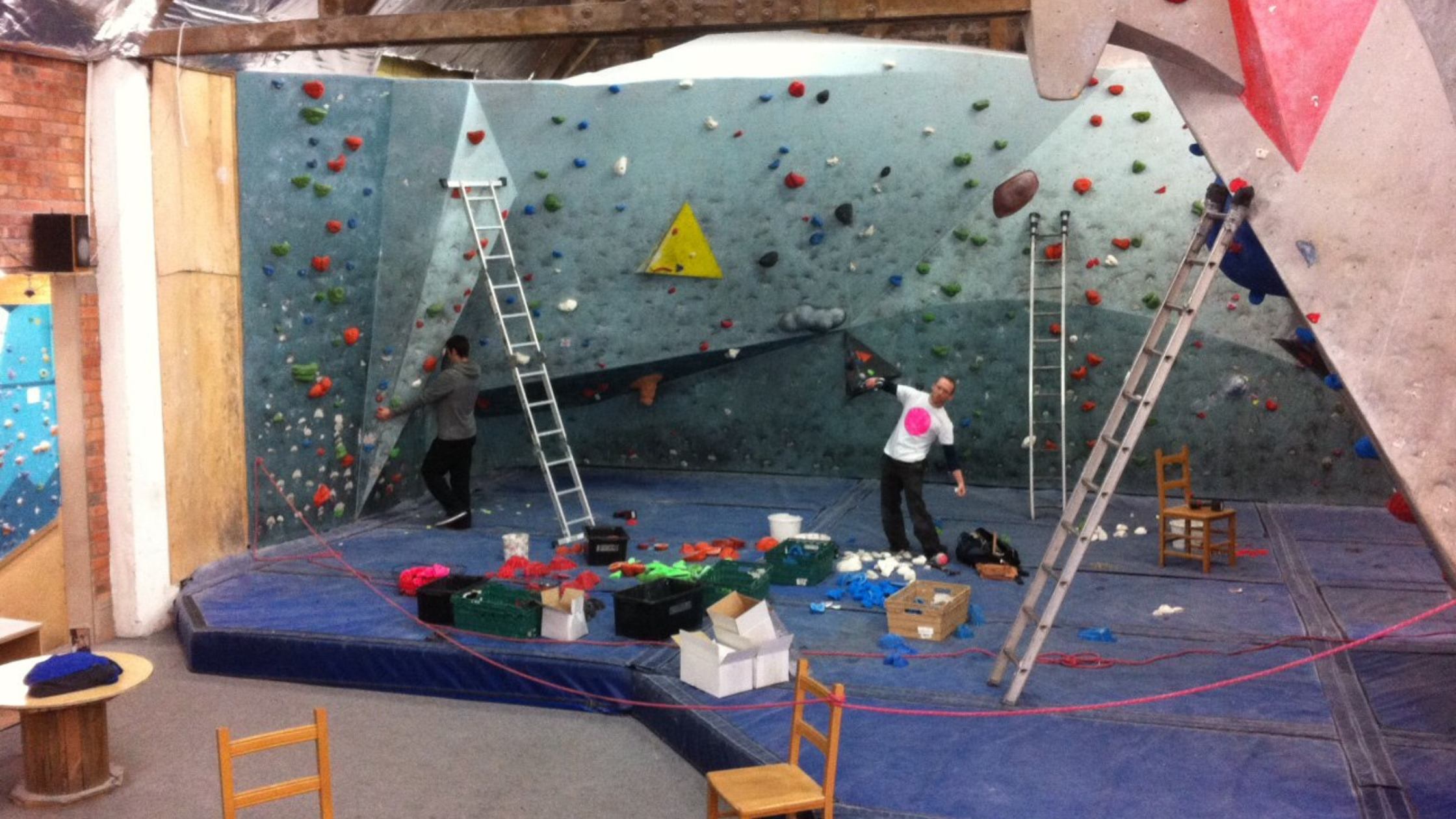
That isn’t false modesty. The early years of TCH weren’t always smooth sailing. More an exercise in chaos theory. The original site, on Birchall Street in an industrial part of Liverpool, was chosen because it was one of the three locations that Ged and his business partners could afford. He says it looked “dodgy”. Because it was dodgy. When they arrived in Liverpool, they found that the building was being used to house stolen vehicles and some less-than-legitimate businessmen had changed the locks. Once they finally got inside, they spent an hour shovelling two wheelbarrows of pigeon poo out of the way. There were rats and axe-wielding nutters.
No glossy origin story… but it was a start.
The Accidental Founder
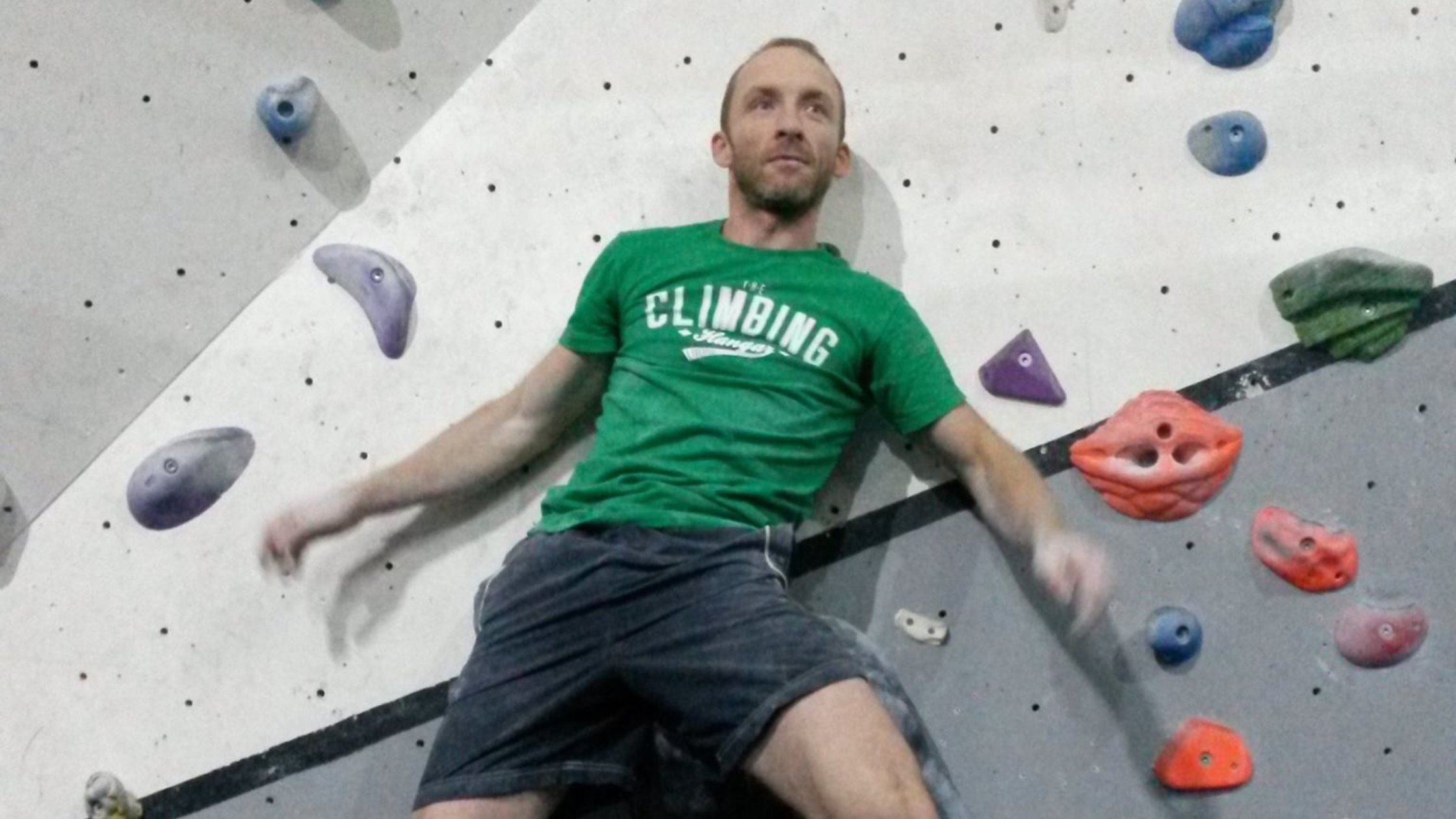
The Climbing Hangar didn’t start with a grand plan to disrupt the leisure industry. It started with a guy who loved climbing and wanted somewhere new to climb with his mates. With my “marketing” hat on, I ask Ged what problem he thought his business would solve for people back then, and he laughs.
“I didn’t think in those terms at all”, he says. “I just wanted to make a climbing wall”.
If there was a deeper motivation than that, it was personal. Ged had been working as a secondary school teacher: a job that required structure, organisation and order; things he admits to struggling with.
“I suspect I’m a bit neurodiverse in one way or another”, he says plainly. “I needed to get out of that environment”.
Like other climbers before him, he sought to build his own environment: and that environment was TCH.
Intuition Meets Reality
He didn’t escape structure all together. Intuition doesn’t pay bills, and to secure a bank loan, Ged and his founding partners needed to write a business plan. It forced them to think practically.
They had to ask themselves what needed to be true for their little climbing business to work. While they just wanted to go climbing, they had to make calls on whether or not to spend a few hundred quid on a new floor for the toilet block. They also didn’t want to do a lot of maths, but starting a business makes you think in mathematical terms. Would the cost of better facilities create enough additional visits to prove a worthwhile investment? Would a better brand of coffee matter to people? Sure a few people might come, but would they also come back?
Their initial target for the business was 150 check-ins per day. Some days they’d hit it. Others, they wouldn’t. Ged recalls days of barely 20 check-ins. It’s easy to question your decision-making at times like these.
“That process made us realise how much of what we believed with purely a gut feeling”, says Ged. “It wasn’t based on anything tangible”.
From here, there was a shift that would define that next decade of indoor climbing: from instinct and enthusiasm to structure and system-thinking.
Go Big or Go Home
Ged isn’t a Liverpool native. Having been raised in Ireland, he’d found his way to Bristol as a youngster and had originally wanted to set-up shop in Glasgow. Liverpool was deemed the next best fit. You might think Ged would have early-on had plans to take the show on the road, but there wasn’t any master plan. No vision of a second Hangar. No roadmap to becoming a chain. No talk of world domination.
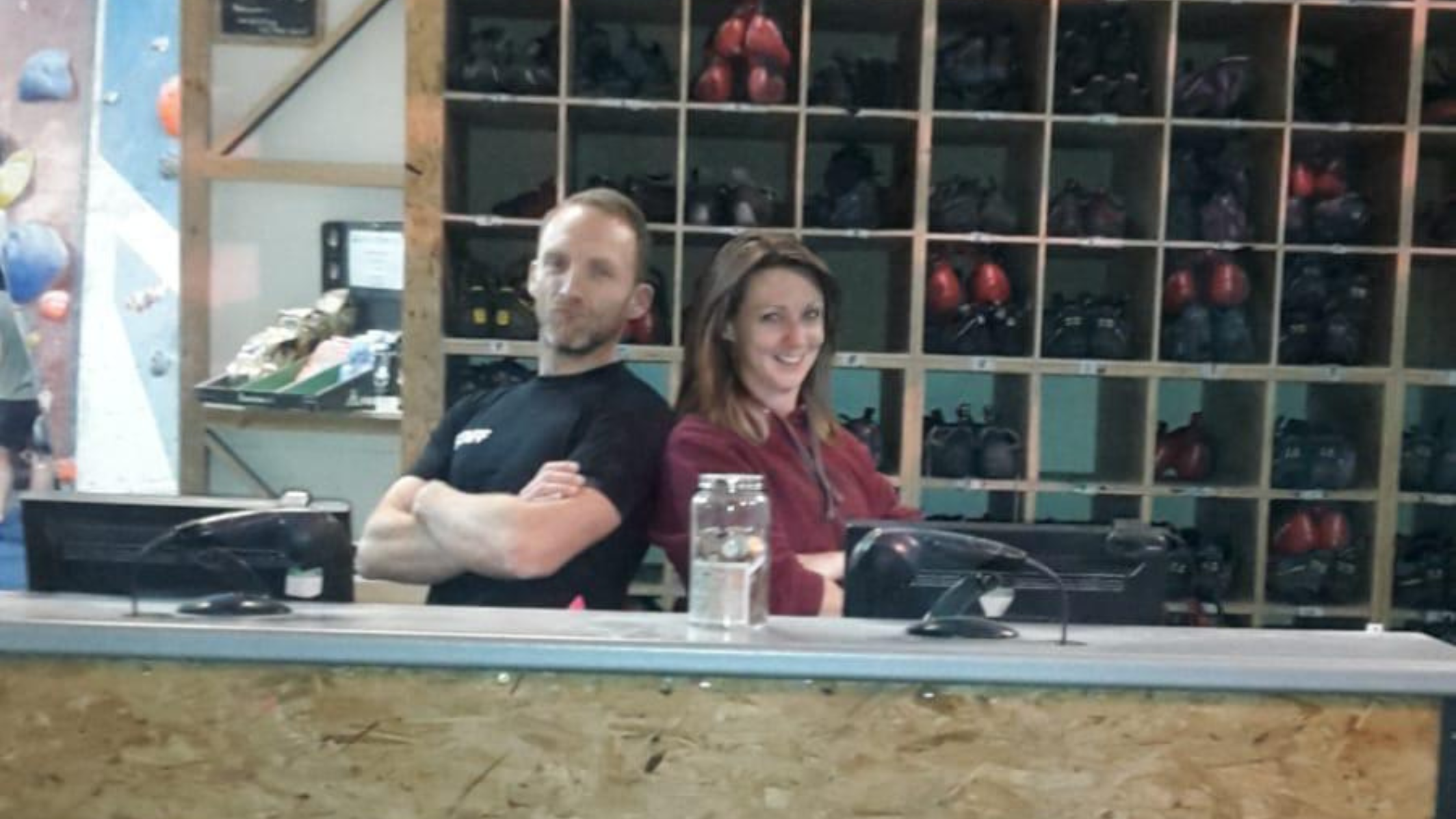
Site #2, The Climbing Hangar London, happened almost by accident.
“When the opportunity arose to acquire a gym in London, we took a leap, but we massively underestimated everything”, Ged says. “By a factor of a hundred”.
More maths: “When you manage two sites, it’s twice as hard. There are two times as many things to do, and you can only be on site half the time”.
But in spite of the challenges, Ged says he barely stopped long enough to have doubts at this point. “I think naive optimism carried us all the way through to 2020. We had four gyms at this point and reality hit us all at once”.
Pandemics, political volatility, economic uncertainty and tonnes of financial pressure.
I ask Ged about his biggest challenge across all this time and the answer comes back in an instant: “It wasn’t anything physical, it was ideological. It was asserting your values, and then continuously implementing those values properly”.

Ideals vs. Requirements
Ged didn’t grow up selling snacks to his schoolmates, as you sometimes hear of founders and men of commerce. He wasn’t a businessman at heart. The Hangar has always been rooted in egalitarian ideas: of openness, fairness, diversity and inclusion. But translating those values into systems, business policies and decisions is more difficult than it sounds.
“I grew up as anti-establishment as the next climbing bum, but you can’t run a climbing business without any rules or policies”, he says. “Someone needs to bring clarity to the place, otherwise there’s no way of telling what’s fair to anybody”.
Providing consistency over time, especially with curveballs coming your way, became Ged’s toughest leadership challenge. Nowhere was this more plain to see than on the balance sheets.
“If I could go back to the beginning”, Ged says without missing a beat, “I’d get a good accountant from day one”.
Letting Others Have the Fun
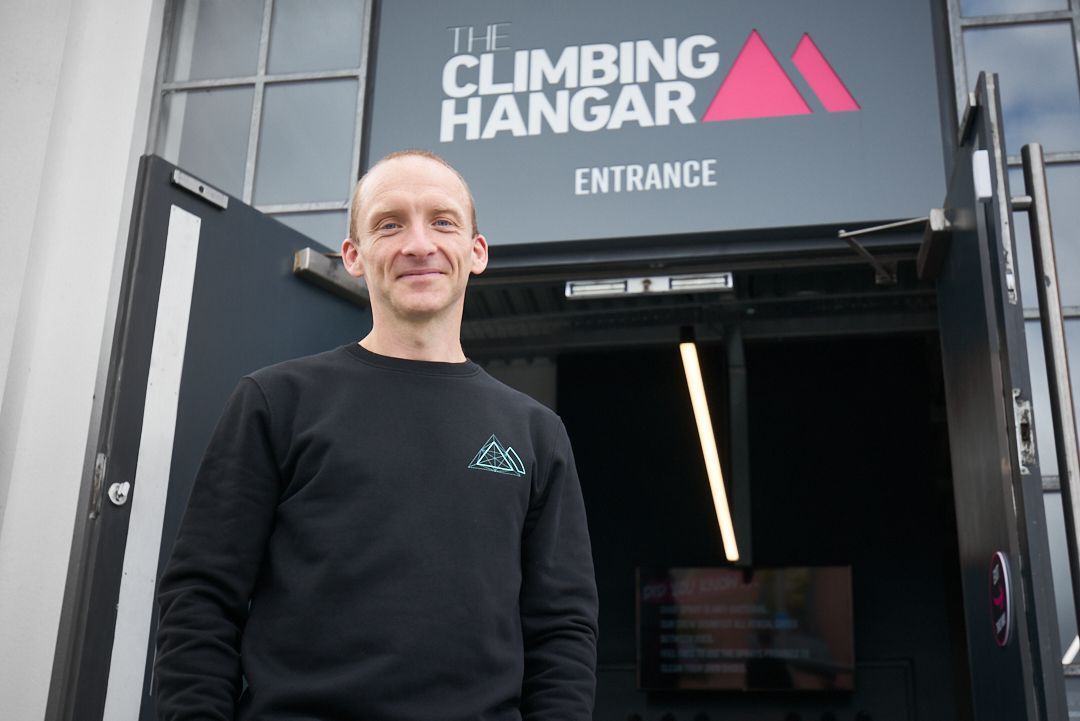
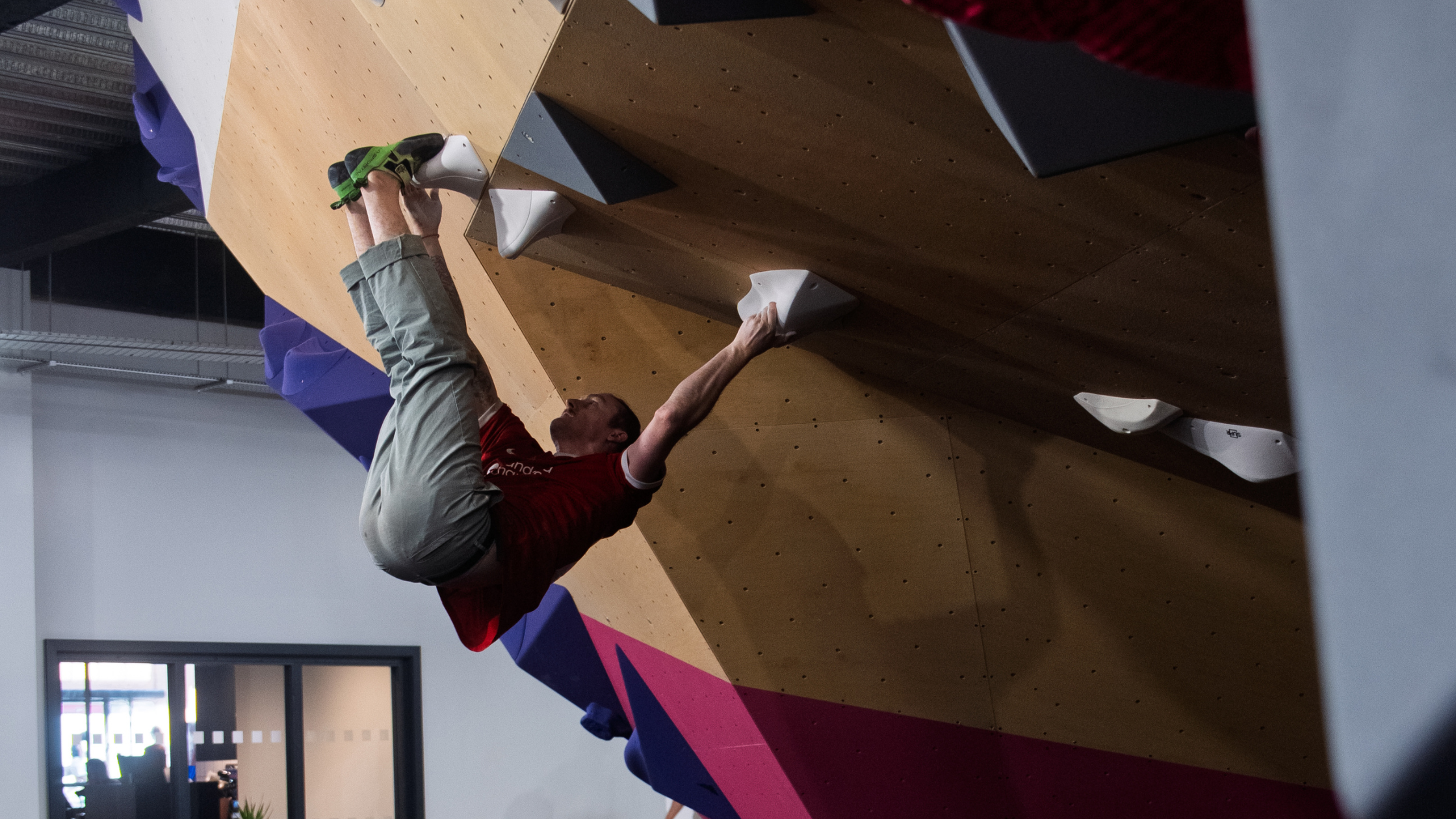
Growing a business requires sacrifice. For Ged, that meant stepping away from the parts of The Hangar that he loved, like route setting.
“I miss it,” he admits. “A lot”.
Leadership, for Ged, became less about doing stuff and more about finding better people to do the stuff. His strength, he believes, is knowing when someone else is better suited to the task, even if he’d like to give it a go.
“A former chairman of ours told me there is ‘no monopoly on wisdom’ and I think about that all the time”.
Nowadays, Ged endeavours to lead from the middle. “I don’t believe in dogma”, he claims. “Flexibility beats ideology every time”.
Hard Climbing, Soft Edges
People change over the course of fifteen years. Ged’s mind takes us back to a challenging period around the year 2014.
“It made me kinder”, he says. “More compassionate”.
That shift is mirrored by the evolution of TCH, as a business. What began as a niche space, within a niche sport, has grown into something reaching for the mainstream, just as the sport of climbing is doing the same.
Ged admits to enjoying the exclusivity of The Climbing Hangar in the early days. “We were young and dumb”, he says. “We liked that all the climbs were really hard and we surrounded ourselves with other gluttons for punishment”.
As interest and participation in the sport grew, The Climbing Hangar became an open, trusted and welcoming space where old-school climbing and new-to-climbing could co-exist without friction. And the same went for sub-cultures, ages, genders, ethnic backgrounds and economic brackets.
Morally good, but also good for business.
“Doing the right thing turned out to be a win”, says Ged. “Policies like the ‘no tops off’ climbing rule weren’t about policing behaviour. They were about creating a space that felt appropriate for kids’ classes, families and first-timers. A place for anybody, not just core climbers”.

Pride Over Profit
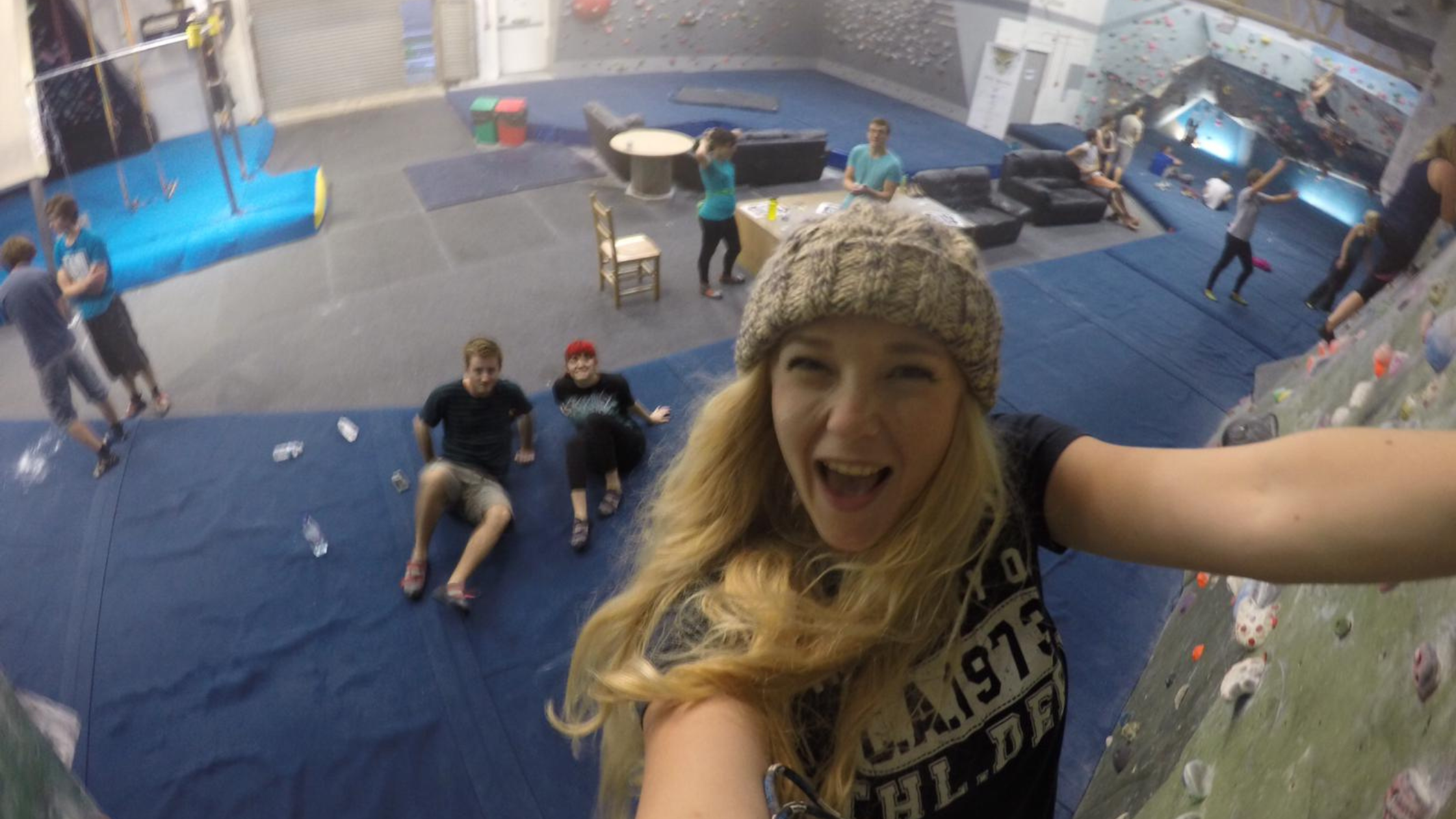
When I ask Ged what he’s most proud of, he doesn’t mention membership numbers or growth curves. He talks about emails received from customers who found solace at The Hangar during difficult times. He talks about teams going out of their way to make people feel welcome, even when those teams were under the cosh. He talks about his pride in helping create a space where anybody can come try climbing and feel permission to get involved.
“That’s the whole point”, he says, “That people tell us they feel they belong here”.
The Future of TCH
The next chapter for The Climbing Hangar is as ambitious as ever. They’re going international: a merger with Danish counterparts at Boulders. Ged is betting on the brand’s ability to shape the future of climbing, rather than react to it.
“I believe comp climbing will continue to grow in profile. Younger audiences will arrive. The product will need refinement. Guys like the PCL (Pro Climber’s League) are trying new things. Our role in the expansion of climbing will be to help new climbers move through the beginner-to-advanced funnel and help to grow the pie for everybody who loves climbing”.
“If we do our job right”, he says, “the whole eco-system of climbing will benefit”.
Advice For The Next Generation
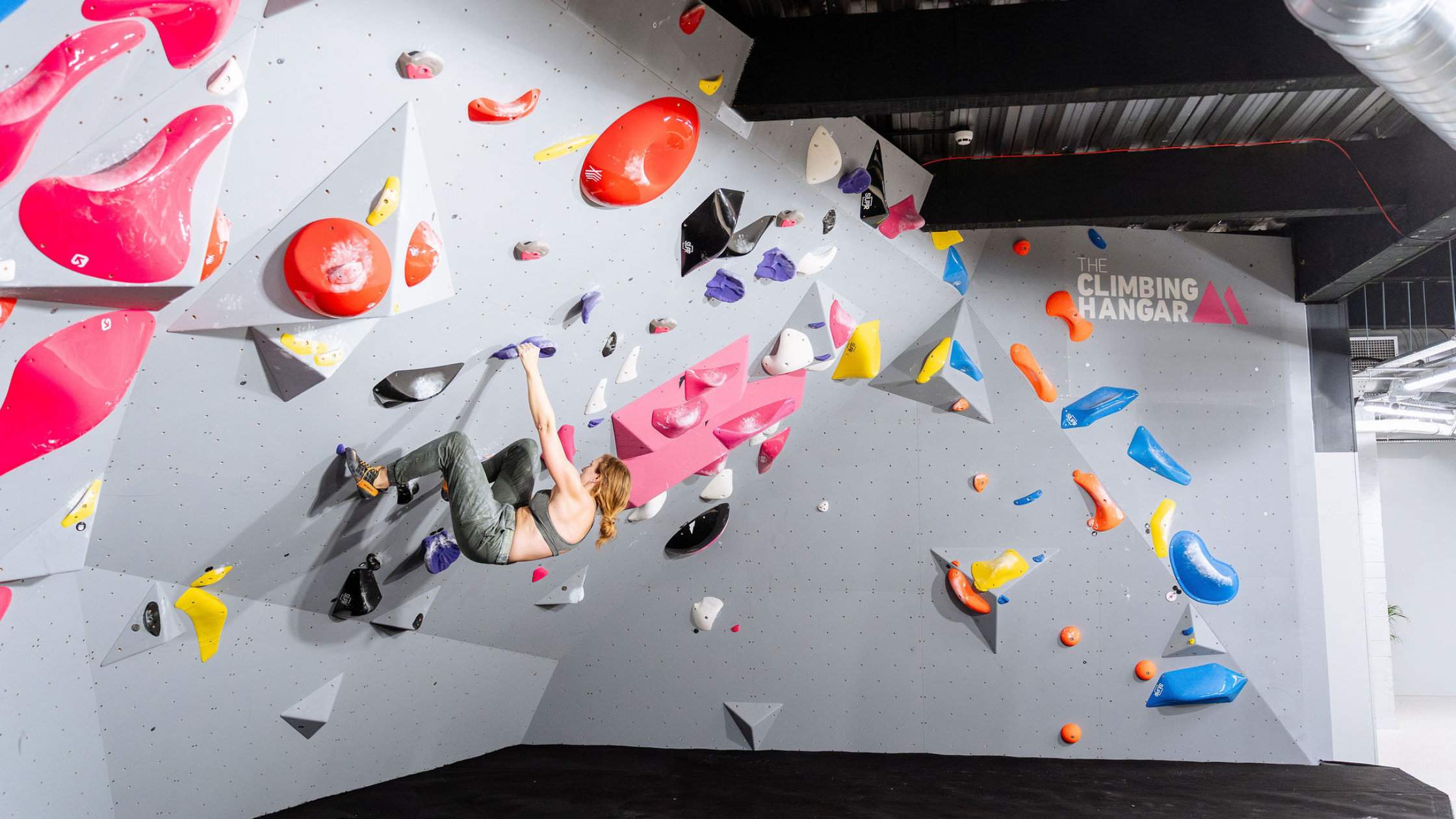
For anyone opening a bouldering gym today, Ged’s advice is straightforward: “If you’re not organised, find someone who is”, he says. “Cover your blind spots early”.
But that’s not all. He also says to make people feel welcome.
“That’s the thing that matters most”, he says. “ That someone walks into the climbing gym and feels like they can get involved. Otherwise what are we doing?”
Fifteen years later, things are a little less chaotic, and the systems are a little more systematic, but The Climbing Hangar remains what it was in the first place: a good place to climb, built by people who love climbing, and want other people to have fun too.
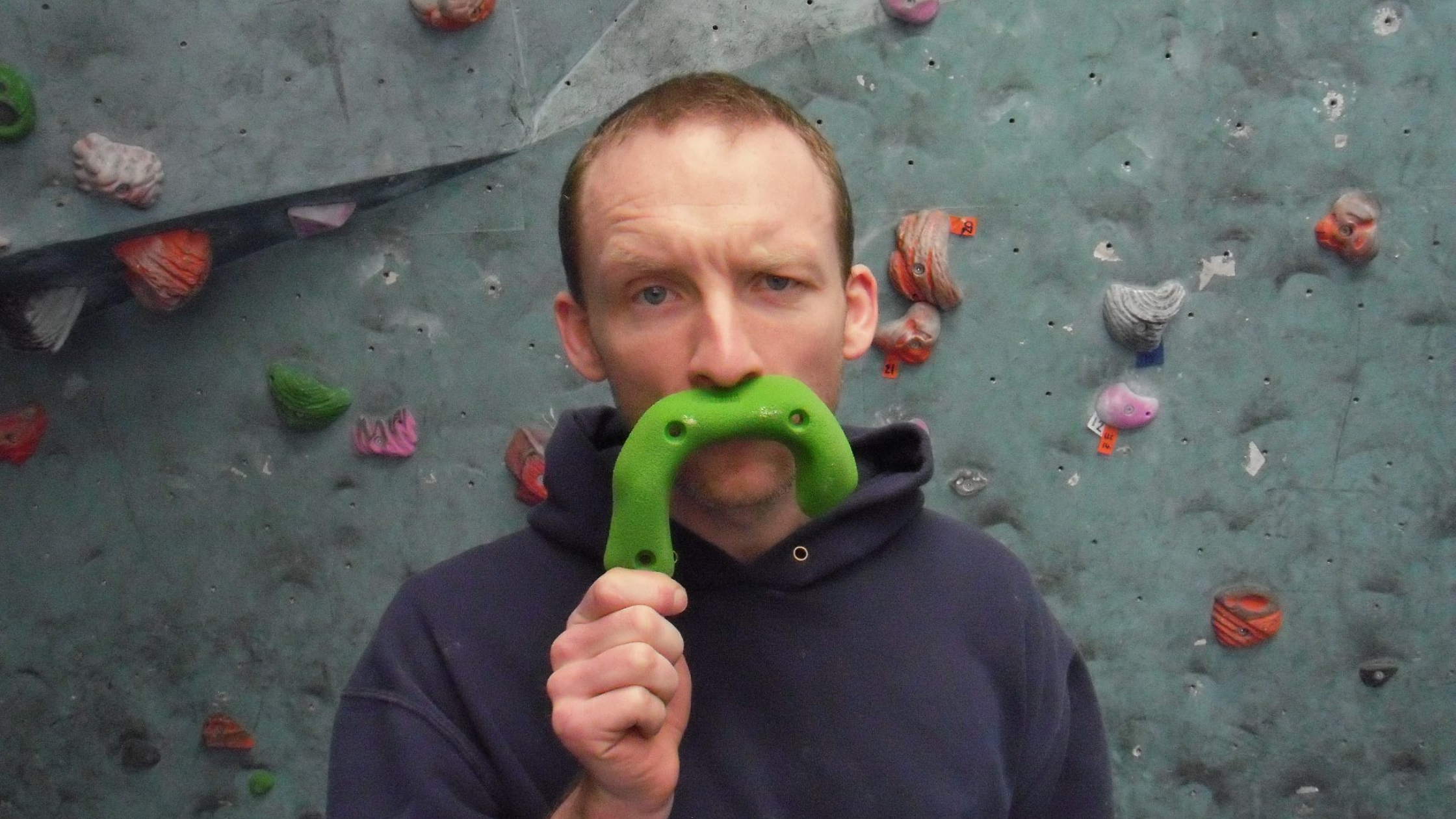
Celebrate 15 Years of The Climbing Hangar
Join us on 31 January 2026 at The Climbing Hangar Liverpool North, aka. The Place Where It All Began.
We're hosting a climbing comp and after party to mark 15 years of epic climbing and Hangar vibes.
We've got some very special guests on the comp set, including none other than Mr Hangar, Ged Mac, coming out of setting retirement for one last ride. Will we see you there?